
The complete guide
How To Choose A Kids Play Tent That Actually Gets Used
The problem with most kids' hideaways
Children have been making dens out of bed sheets and dining chairs for as long as there have been bed sheets and dining chairs. The reason is simple. Kids want a space that is theirs, at their scale, where an adult does not fit comfortably and the rules are a little bit different.
The trouble with the blanket-over-chairs version is that it falls down. Usually within ten minutes, usually right at the exciting part. Then the chairs are in the hallway and the sheets need washing and nobody is having fun anymore.
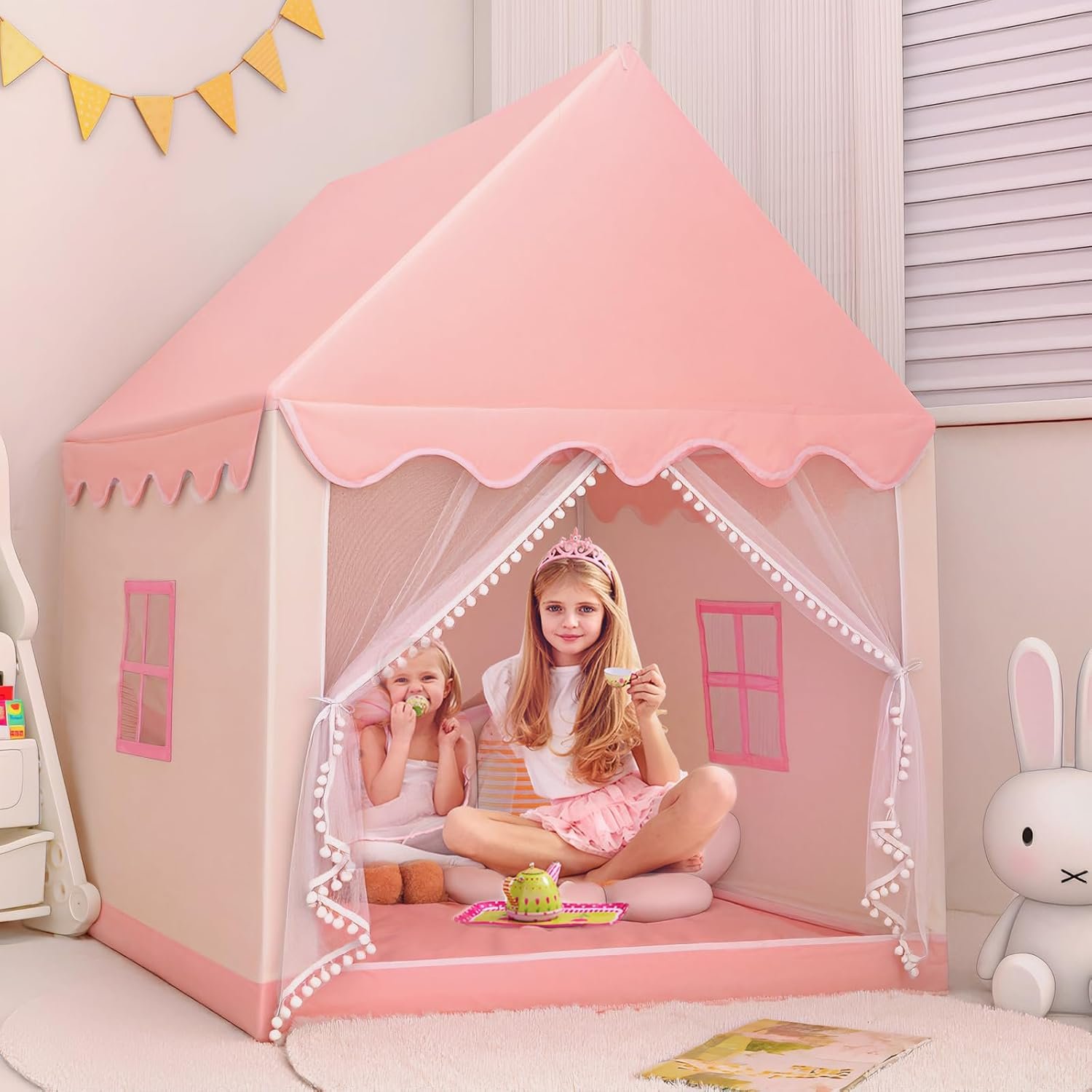
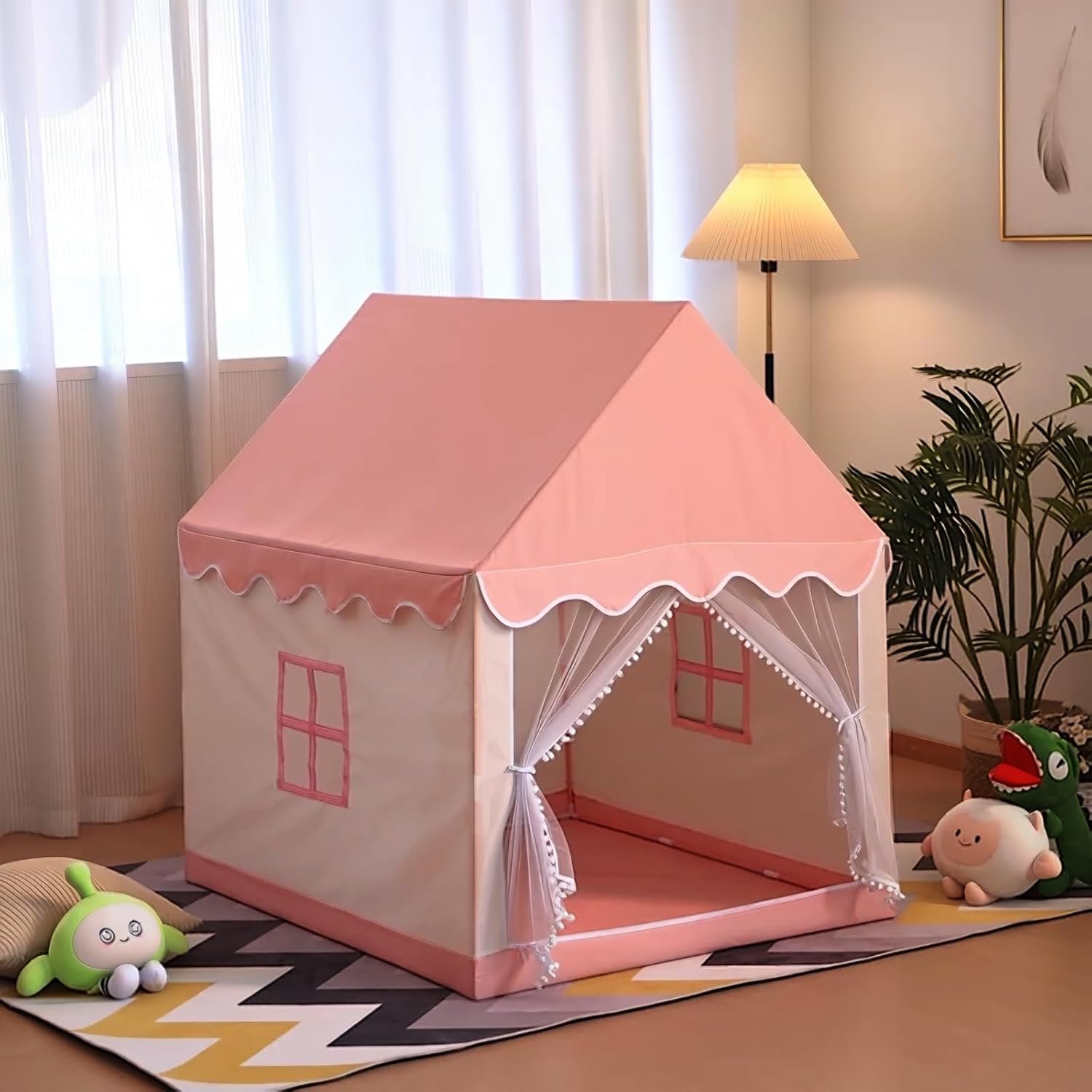
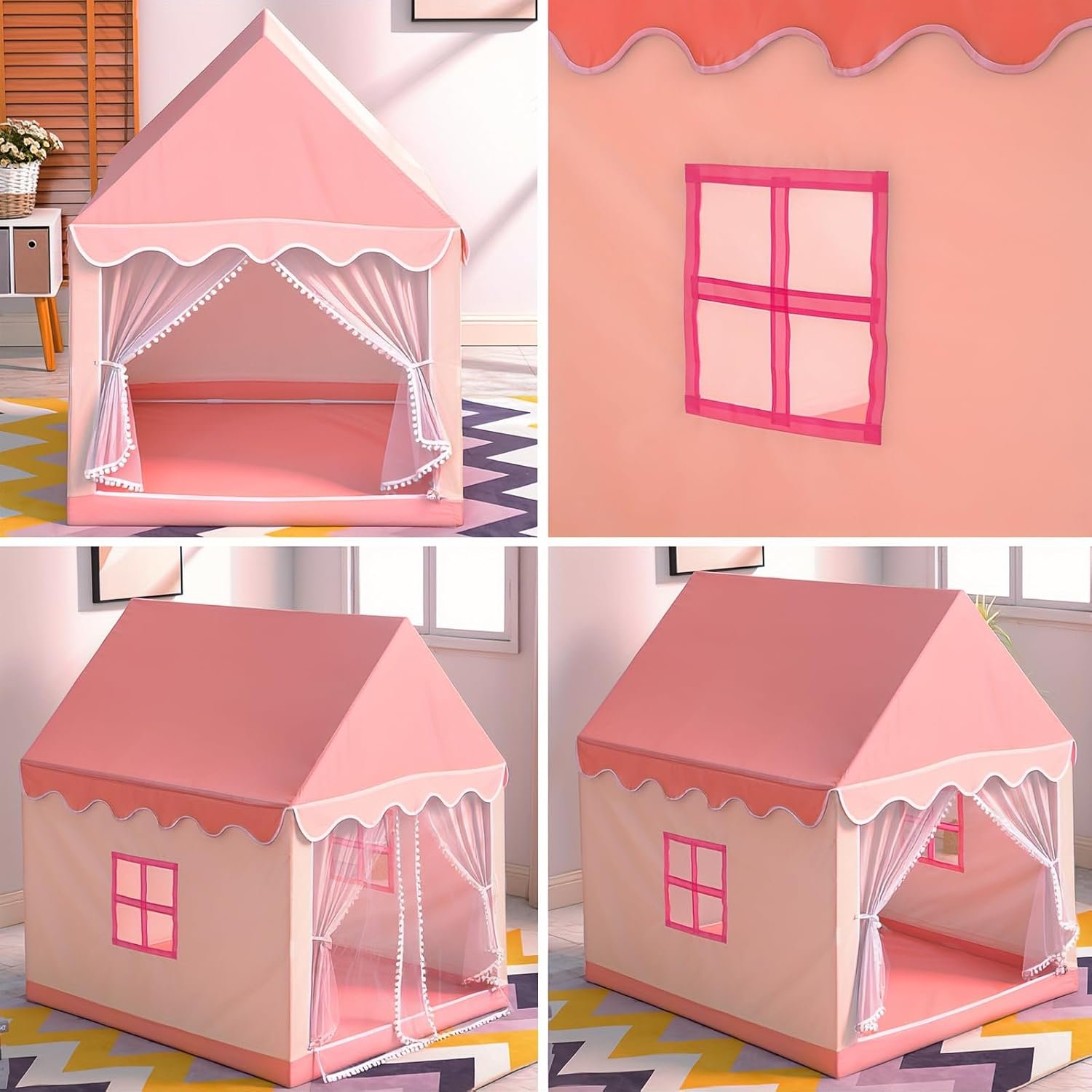
A proper play tent solves that. It stands up by itself, it holds its shape through actual play, and it goes away again when you want your floor back. This pink princess playhouse tent is a castle-styled version of that idea, sized at 140 x 120 x 100 cm so two or three children can sit inside together.
How this one is built
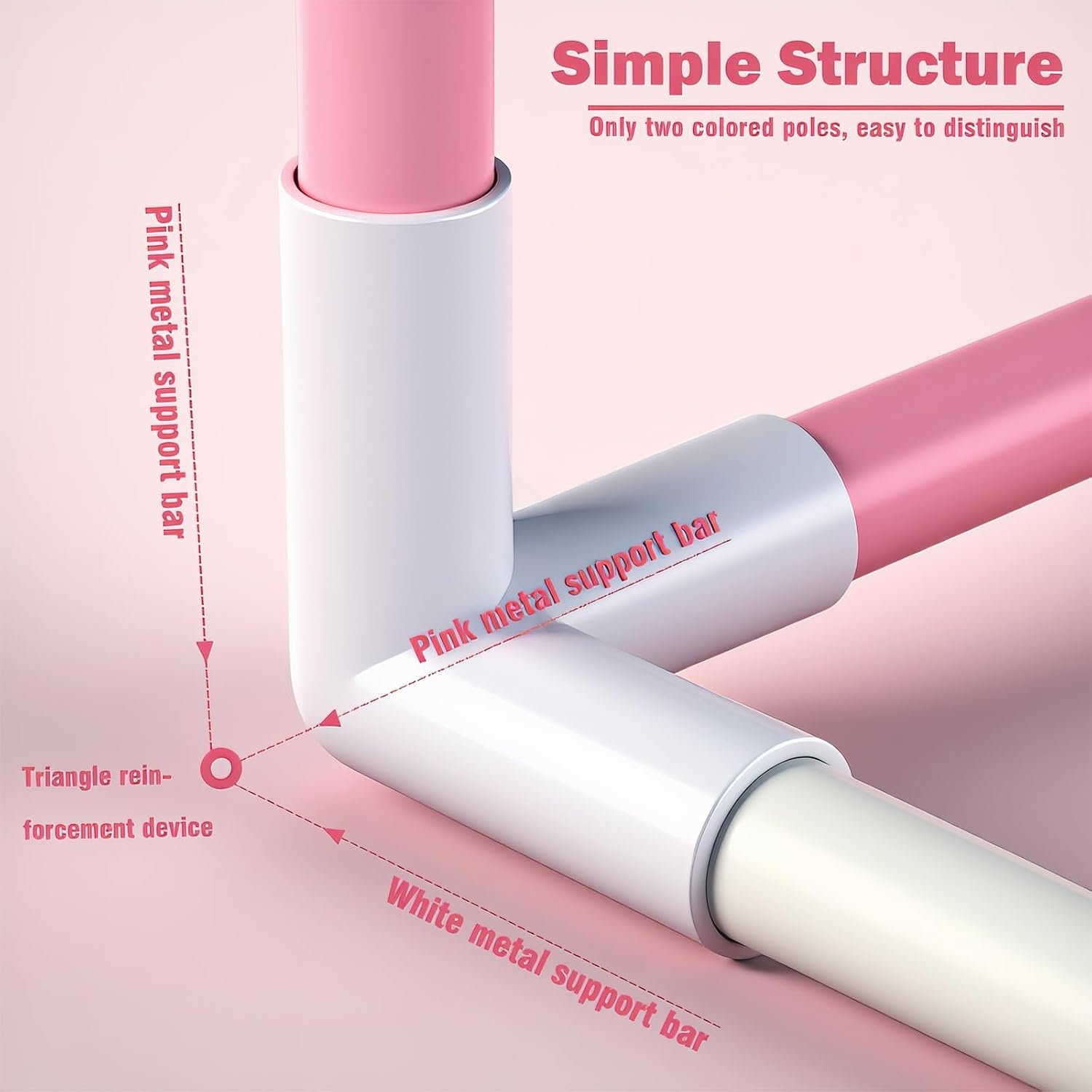
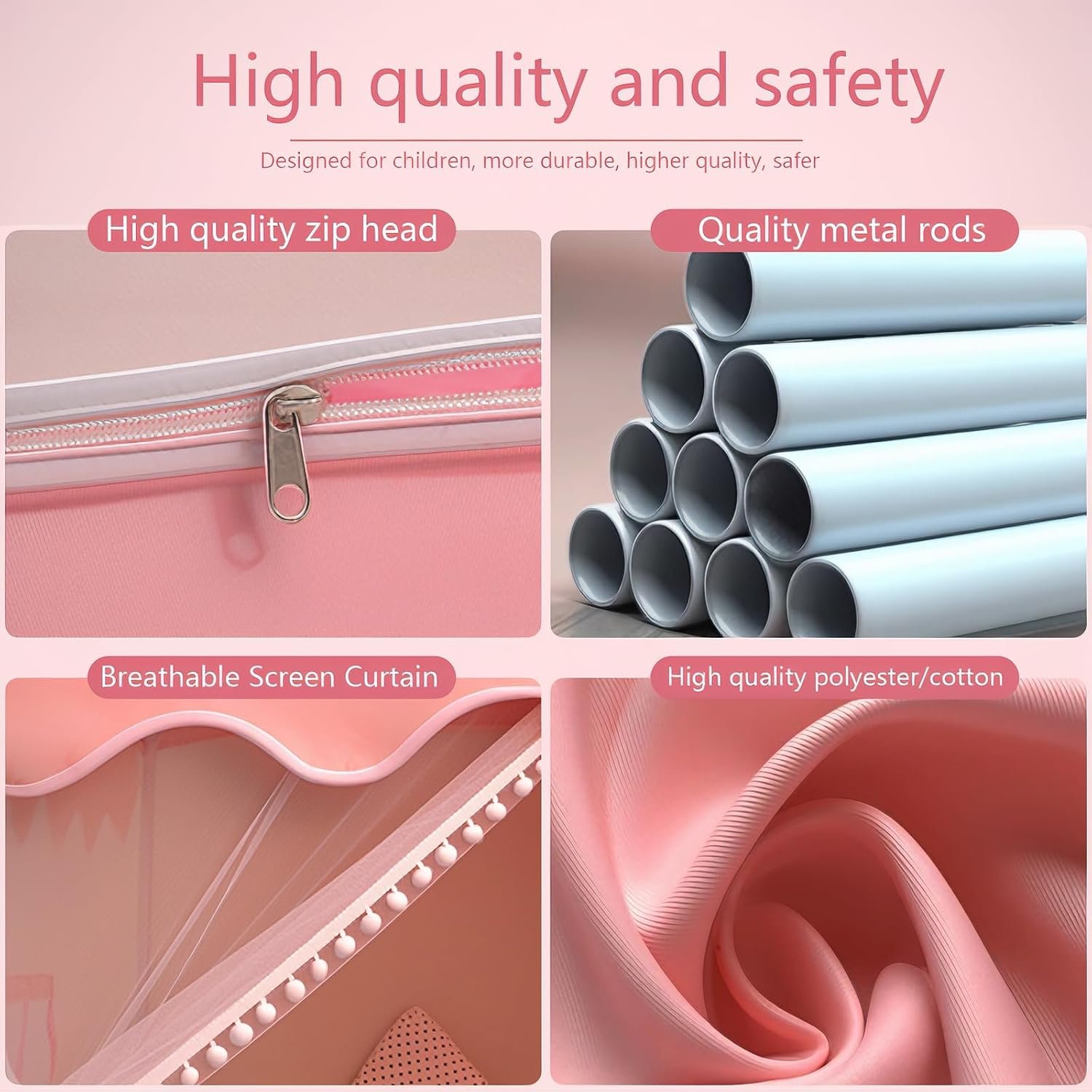
There are two parts to it. The frame is made from polyvinyl chloride poles that push into connectors, and the cover is polyester fabric that drops over the top. That is the whole system.
What that gives you is a tent that holds a definite shape instead of sagging. The castle walls stay as walls. The doorway stays as a doorway. Children can lean a cushion against the inside and it will not collapse on them.
It also means no tools. The poles connect by hand, which is a relief if you have ever assembled flat-pack furniture at eleven at night on Christmas Eve. One adult can get this standing in a few minutes, and taking it apart later is the same steps backwards.
The polyester cover is the part that takes the wear. Fabric tents live a hard life, with kids crawling in, dragging toys through and occasionally using the doorway as a slide. Polyester handles that better than lighter novelty fabrics because it does not stretch out of shape easily.
Ventilation matters more than you think
Two of the walls carry mesh windows, and there is a doorway at the front. This sounds like a minor detail until you have put a four year old inside a sealed fabric box on a warm afternoon.
Mesh does two jobs. It moves air, so the inside does not get stuffy and warm within ten minutes. And it keeps a sightline open, which is the bigger deal for younger children. A toddler who can see the room, and see you, settles into a play tent far more happily than one who feels shut in.
It helps the adults too. You can glance over and see who is inside and what they are doing without having to crouch down and unzip anything.
The star lights
The listing includes a star string light with the tent. This is the feature that does most of the selling, and for good reason.
A pink castle in daylight is a nice play structure. The same castle with a string of small lights around it, in a dim room at seven in the evening, is a completely different thing. It becomes the spot for a story, or a quiet sit-down, or a sleepover on the lounge room floor with a torch and a pile of cushions.
Practically speaking, a soft light source inside a den also means children are not dragging a lamp across the room or playing with the overhead switch. Keep the cable or battery pack tucked out of the way and out of reach of the youngest kids in the house.
Who it suits
The manufacturer's recommended age range runs from 36 months up to 18 years, which is broad. In practice the sweet spot is roughly three to eight.
At three and four, it is a hideaway. Kids crawl in with soft toys and come out again fifty times an hour. At five and six it becomes a base, a shop, a castle, a spaceship, whatever the game of the week happens to be. By seven and eight it has usually turned into a reading corner, a place to take a book and be left alone for twenty minutes.
Older than that and most kids have grown past it, though plenty use it as a quiet study nook. The 140 cm height means they can sit up straight inside well into primary school.
It also works in group settings. A quiet corner in a playroom or daycare gives one or two children somewhere to decompress. Just keep it where an adult can see in, and keep an eye on how many bodies are inside at once.
Where to put it
Indoors is where this tent lives most of its life. A bedroom corner, the end of a playroom, beside the sofa. The footprint is about 120 by 100 cm, so measure the gap before you order, particularly if it is going next to a bed or a wardrobe that needs to open.
Outdoors it works for an afternoon on dry grass or a patio. It is a play tent, not camping gear. There is nothing listed in the way of pegging points, so a gusty day will push it around. Bring it in before rain and do not leave it baking in full sun for days on end, because prolonged UV is hard on any printed fabric.
The other outdoor use is parties. Set it up on the lawn as a photo backdrop or a quiet spot for the smaller guests, then fold it away when everyone goes home. It is one of the easier outdoor kids tent options to move around because the whole thing is light.
Choosing between options
If you are weighing this up against other play tents, three things are worth checking.
First, the frame. Pop-up tents with sprung wire hoops are fast to open but they twist back into a ring for storage, and that twist is a skill. A pole frame like this one takes a couple of extra minutes but packs flat without any technique.
Second, the height. Lots of cheap tents cap out around a metre, which means children are stooping inside from about age five. At 140 cm, kids can sit up straight and get in and out without crawling.
Third, the ventilation. A tent with one small opening gets warm and dark quickly. Mesh windows on more than one side make a real difference to how long children stay interested.
Looking after it
Nothing complicated here. Wipe the fabric with a damp cloth and a bit of mild soap for everyday marks, then let it air dry before folding. If the care label supplied allows a deeper wash, take every pole out first.
Store the poles flat. PVC tubes keep their shape fine unless they are bent and left under something heavy for months. Keep the tent away from heaters, candles and open flame, and remove all packaging plastic as soon as it arrives.
Dry fabric is the one rule people break. Folding a slightly damp tent into a cupboard for a fortnight is how you end up with a musty castle. Give it an hour in open air first.
The short version
This is a 140 x 120 x 100 cm pink castle play tent with a polyester cover, a PVC pole frame, two mesh windows and a star string light. It fits two or three children, needs assembly but no tools, and folds away between uses.
If you want a children's secret hideaway that holds its shape better than a bedsheet and stores smaller than a piece of furniture, it does that job well. Measure your corner, check the age range suits, and then let them get on with it.