

The complete guide
How To Choose A Kids Play Tent That Actually Gets Used
The problem with most kids' play tents
Plenty of play tents get opened on a birthday morning, used hard for two weeks, then quietly folded into a cupboard. It is rarely the child losing interest. More often the tent was too small to sit up in, too fiddly to put back together, or so flimsy that an adult started saying "careful" every ten minutes. Once a toy comes with rules attached, it stops being fun.
A good play tent solves a very simple problem. Children in a shared house have very little space that is genuinely theirs. A bedroom is usually shared, controlled by adults, and full of furniture chosen by somebody else. A tent gives a child walls, a doorway and a sense of ownership that costs you about a square metre of floor.
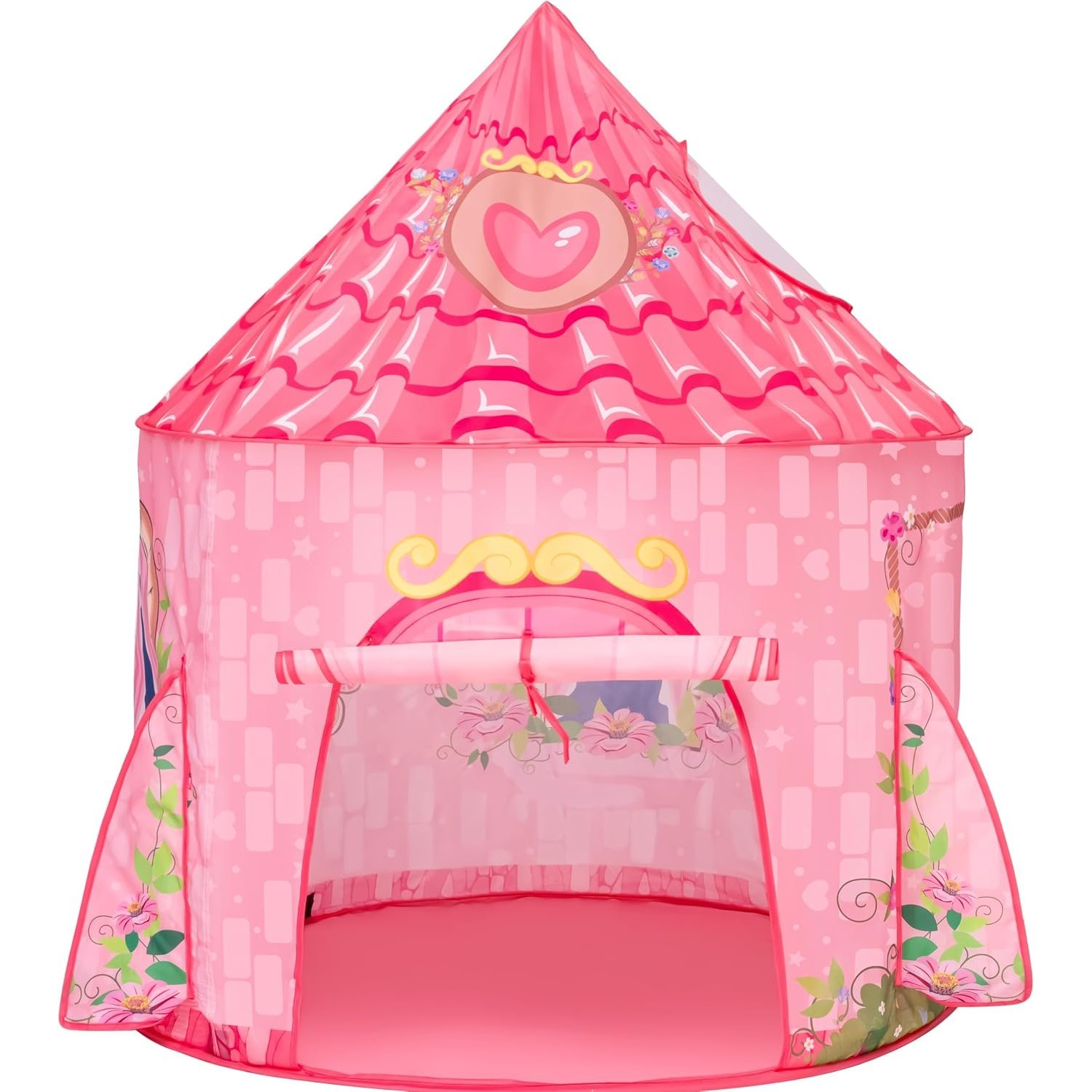
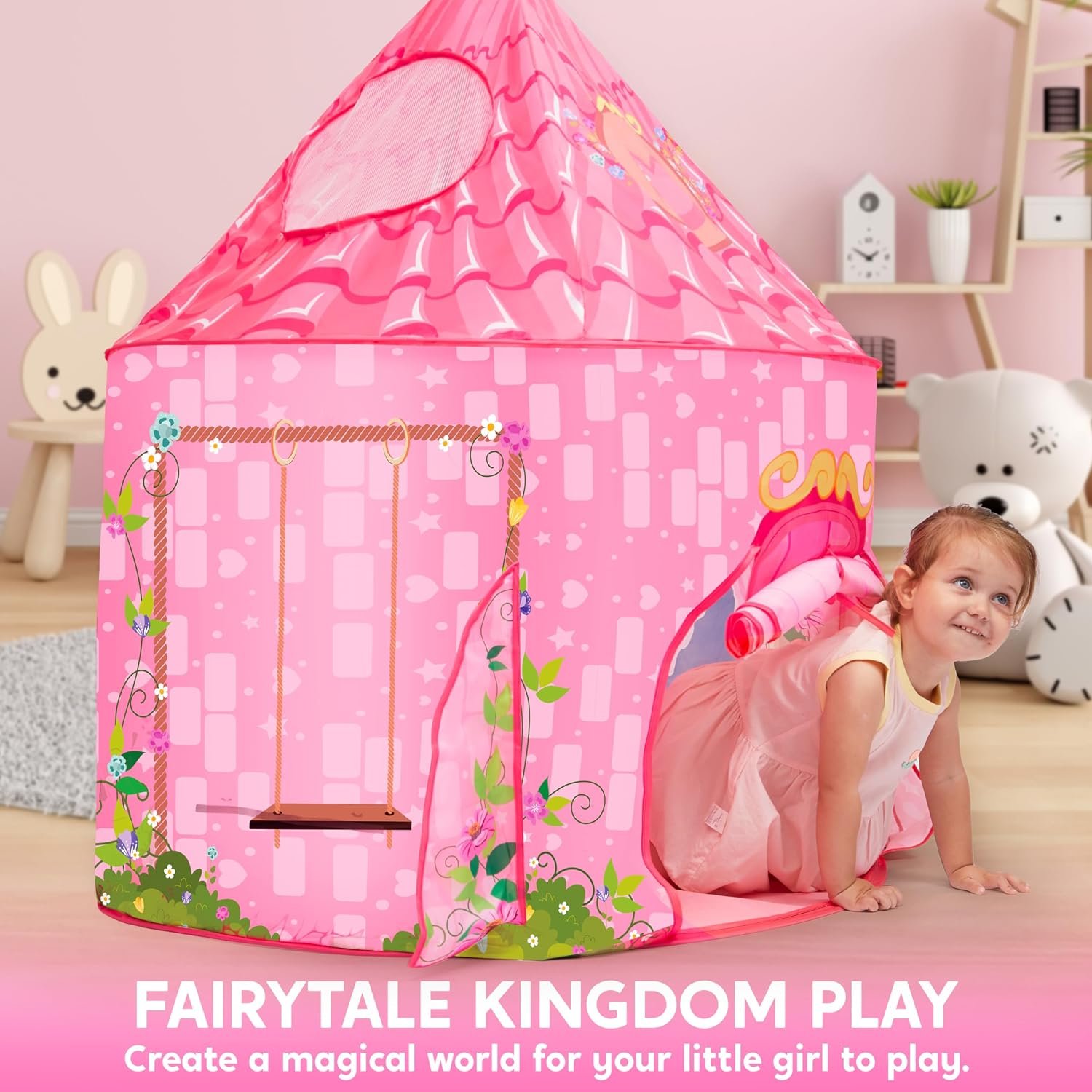
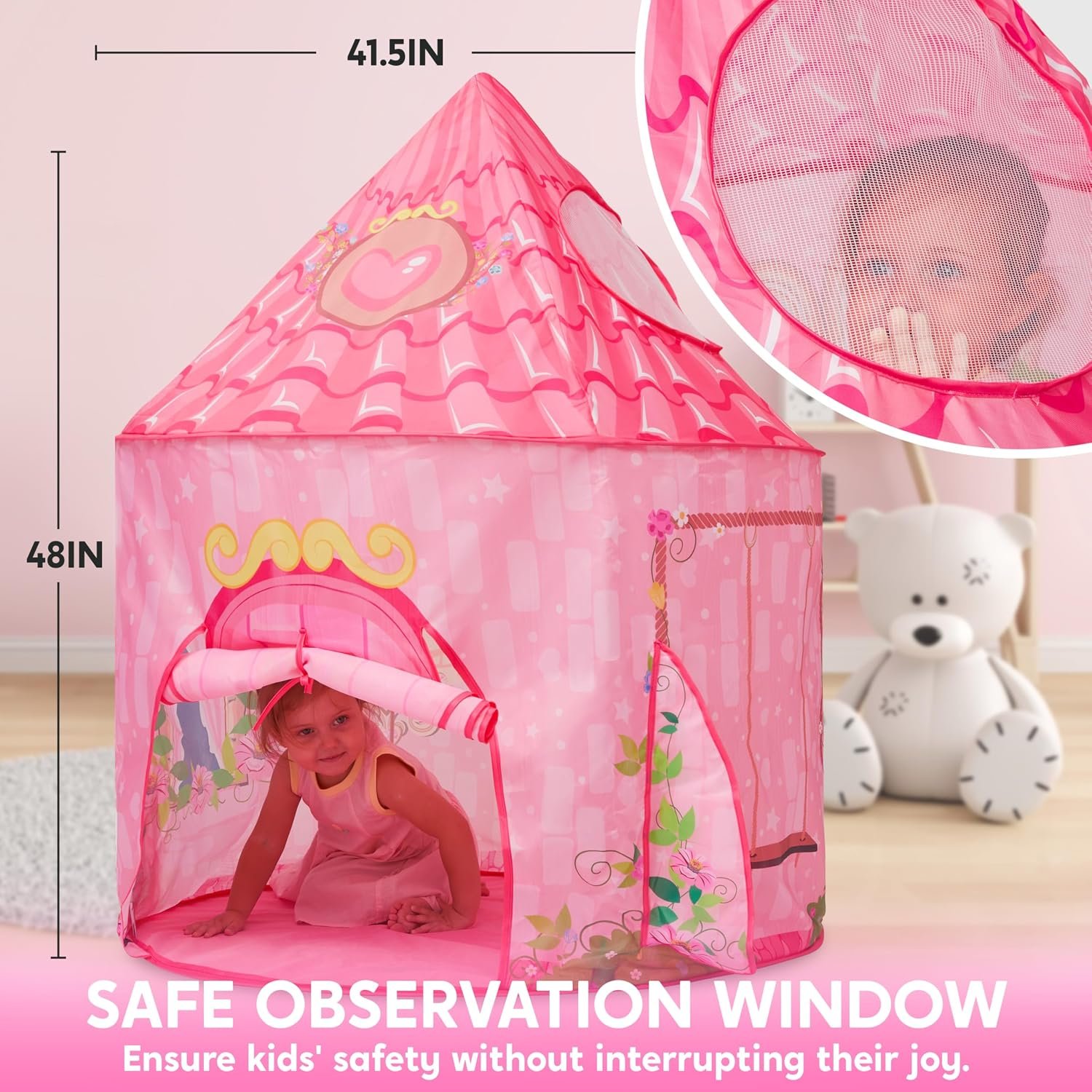
This castle tent is 105 cm square and 120 cm tall. That is deliberately in the useful range. Small enough to tuck into a corner of a bedroom or lounge, big enough that a three or four year old can sit upright, spread out a few toys and bring a friend in without the whole thing leaning over.
How this one works
The set is straightforward. There is the printed tent body in polyester, four poles that give it structure, anchors for the roof, anchors for the floor, and a carrying tote so the whole lot stays together between uses.
Assembly is required, which is worth being clear about. This is not a tent you shake out of a bag and watch spring into shape. You fit the poles, attach the anchors and stand it up. The first time takes a few minutes with the instructions. After that most parents can do it without thinking.
The trade off is worth it. Pole-supported tents hold their shape better than sprung-hoop designs, they tend to sag less over time, and they are easier to get square against a wall. A spring frame is faster but it also fights you every time you try to fold it back into a circle.
Floor anchors are included, which matters mostly outdoors. On a lawn they stop the tent sliding around during an enthusiastic game. Indoors the tent generally stays put on carpet, and a rug inside adds weight and comfort at the same time.
Who it suits
The manufacturer recommends ages 3 and up. That matches how children actually play. Around three is when pretend play really takes hold, and a tent stops being just a hiding place. It becomes a castle, a shop, a cave, a vet clinic, whatever the story needs that day.
It suits families who want the best portable play tent rather than a permanent structure. If you have a small home, a shared bedroom, or grandparents who would like something to set up when the kids visit, a fabric tent that folds into a tote makes far more sense than a wooden playhouse that never moves.
It also works well as a quiet corner. Some children need somewhere to decompress after school or daycare, and a soft-walled space with a cushion and a couple of books is surprisingly effective. Parents often buy it as a toy and discover it doubling as the best reading nook in the house.
It is less suited to rough outdoor use. This is a play tent, not camping gear. There is no waterproof rating given, so keep it out of rain and do not leave it standing in the garden for weeks.
How to choose between tent styles
Start with height. A tent a child cannot sit up in gets abandoned fast. At 120 cm there is room for a young child to kneel, sit or stand without ducking. Check your own ceiling clearance too if you plan to put it on top of a low platform or under a loft bed.
Then think about footprint. Measure the actual spot before you order. Mark out 105 cm by 105 cm with a tape measure or a couple of books on the floor and see how it feels in the room. A tent that blocks a doorway or a wardrobe will be moved constantly, and a tent that gets moved constantly tends to stop being set up at all.
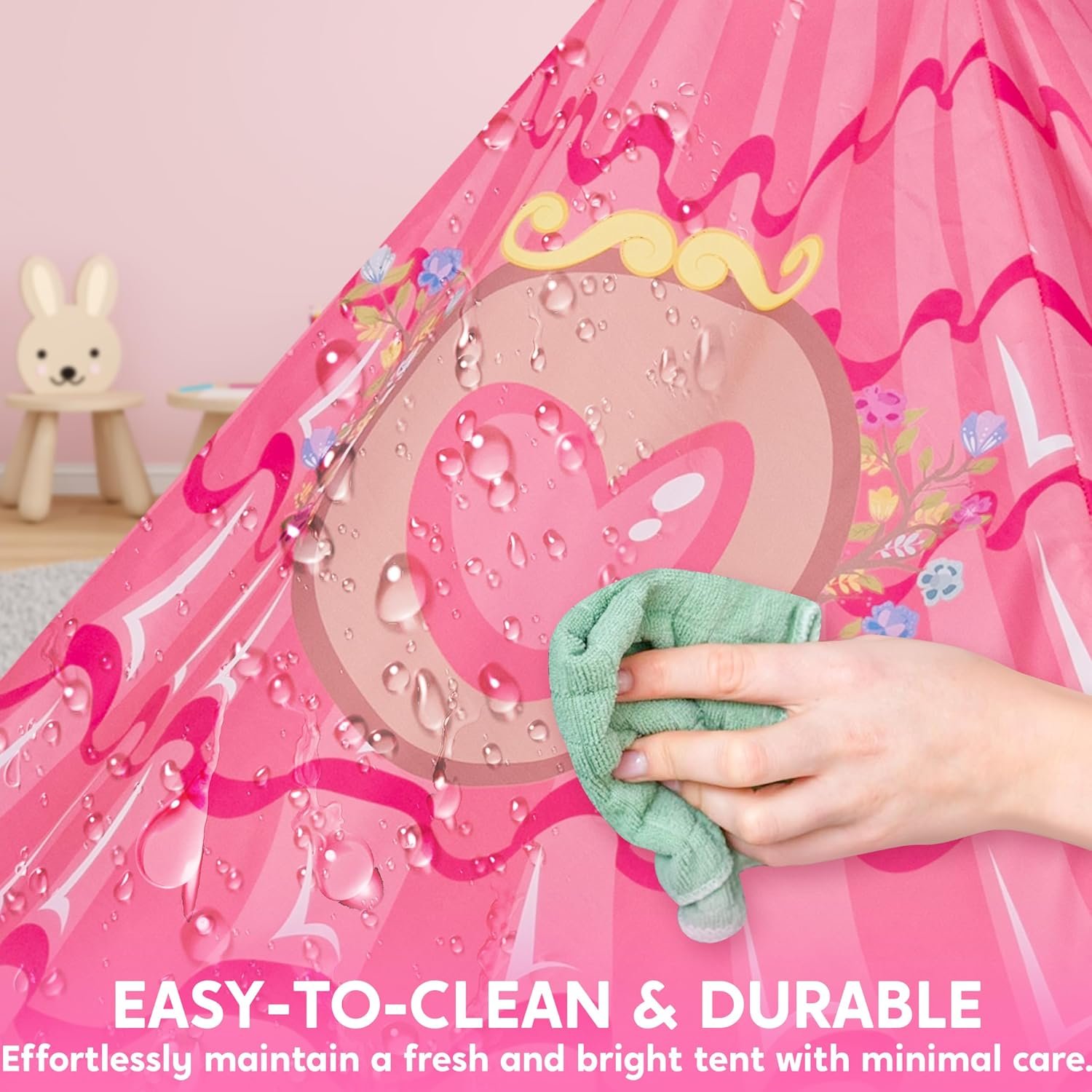
Material is next. Polyester is the common choice for a reason. It takes bright printed designs, it is light to carry, and it wipes clean. Heavier cotton canvas looks lovely but absorbs spills, takes longer to dry, and weighs more when you want to carry it to the park.
Consider the pack-down. If you need the lounge room back every evening, a tent with a carry tote is essential. If the tent is living permanently in a bedroom corner, pack-down matters less and you can prioritise size and looks instead.
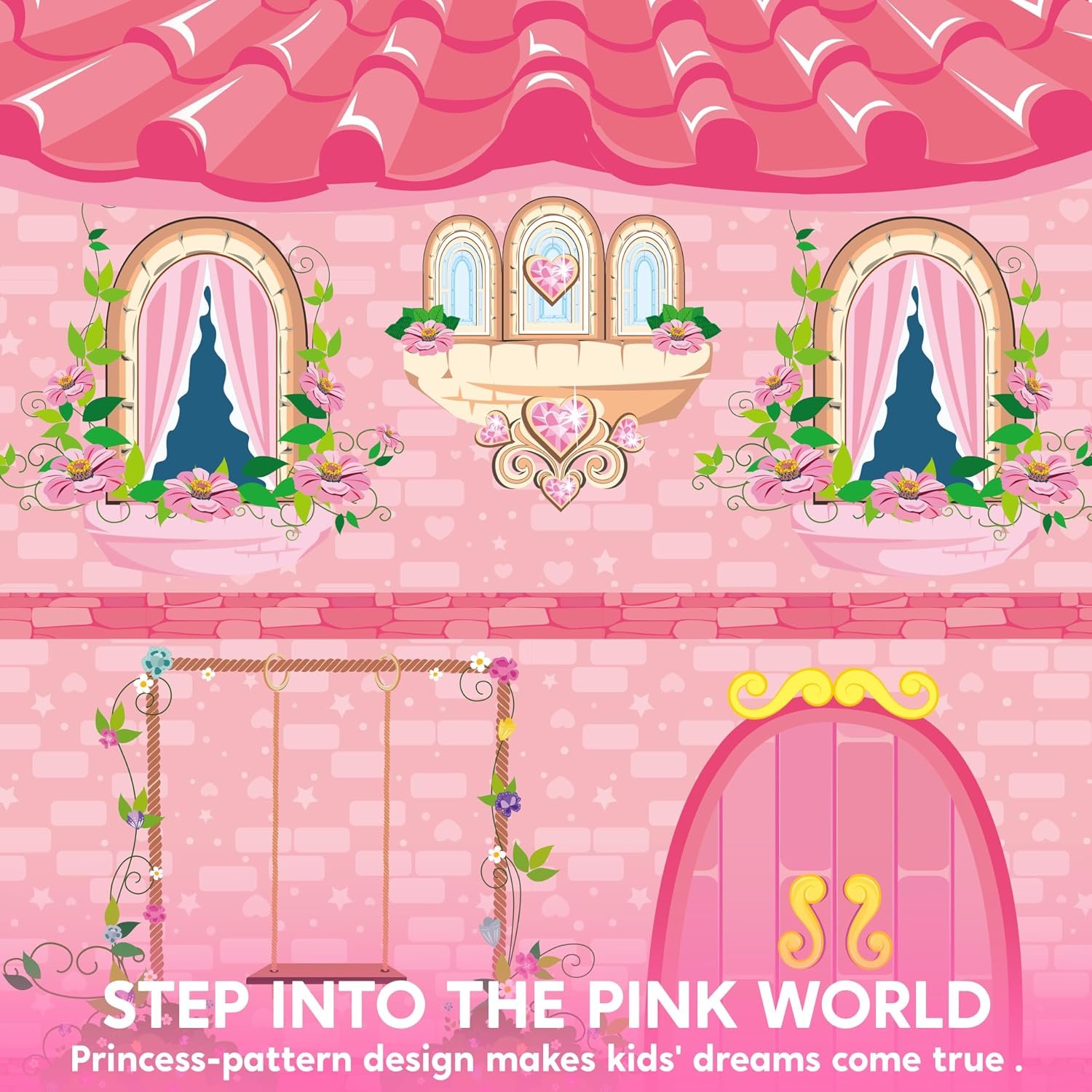
Finally, think about the theme honestly. A strongly themed tent, like a castle, gives a child an immediate story hook. That is a genuine advantage for imaginative play. It is also more specific than a plain tent, so match it to the child in front of you rather than the one on the box.
Setting it up well
Pick the spot before you build. Flat floor, away from heaters, radiators, lamps and anything with a cord hanging down. Corners work well because two walls provide a little extra support and the tent is out of the main traffic path.
Put something soft inside. A rug, a folded blanket or a couple of cushions makes an enormous difference to how long a child will stay in there. A hard floor is a reason to leave.
Keep the anchors with the poles. The single most common reason a tent gets thrown out is a missing part. The tote exists for that job, so get into the habit of everything going back in the same bag.
Set expectations with the child early. No climbing on it, no hanging off the poles, no dragging it across the room while it is standing. Children take surprisingly good care of something they understand is theirs.
Looking after it
Cleaning is simple. A damp cloth with a little mild soap handles most marks on polyester. Work gently over printed areas, rinse the cloth and go over it again, then let it air dry fully before folding. Skip the washing machine, the dryer, bleach and the iron. Heat and agitation are what kill printed fabric panels.
After outdoor use, shake out the grass, crumbs and dirt before it comes inside. If it has picked up any moisture, stand it up somewhere airy until it is completely dry. Folding a damp tent into a tote is how you get a musty smell and, in a warm cupboard, mildew spots that do not come out.
Store it dry and out of direct sun. Sunlight slowly dulls printed colour on any fabric. Indoors this is almost never an issue, but a tent left pitched on a sunny lawn all summer will look tired by autumn.
If a pole bends or an anchor goes missing, deal with it straight away rather than carrying on. A tent standing slightly crooked puts uneven strain on the fabric seams, and that is how a small problem becomes a torn panel.
The short version
This is a 105 by 105 by 120 cm castle-themed polyester tent, supplied with four poles, roof anchors, floor anchors and a carry tote. Assembly is required and the recommended age is 3 and up. It works indoors or out in dry weather, wipes clean with a damp cloth and folds back into its bag when you want the floor back.
Buy it if you want a child-sized space that can appear and disappear in minutes, and if a castle theme fits the child you are buying for. Measure the corner first, put a rug inside, and keep all the parts in the tote. Do those three things and it will get used far longer than most toys bought the same week.